
What a “Successful” Trade Show Actually Looks Like (And What It Doesn’t)

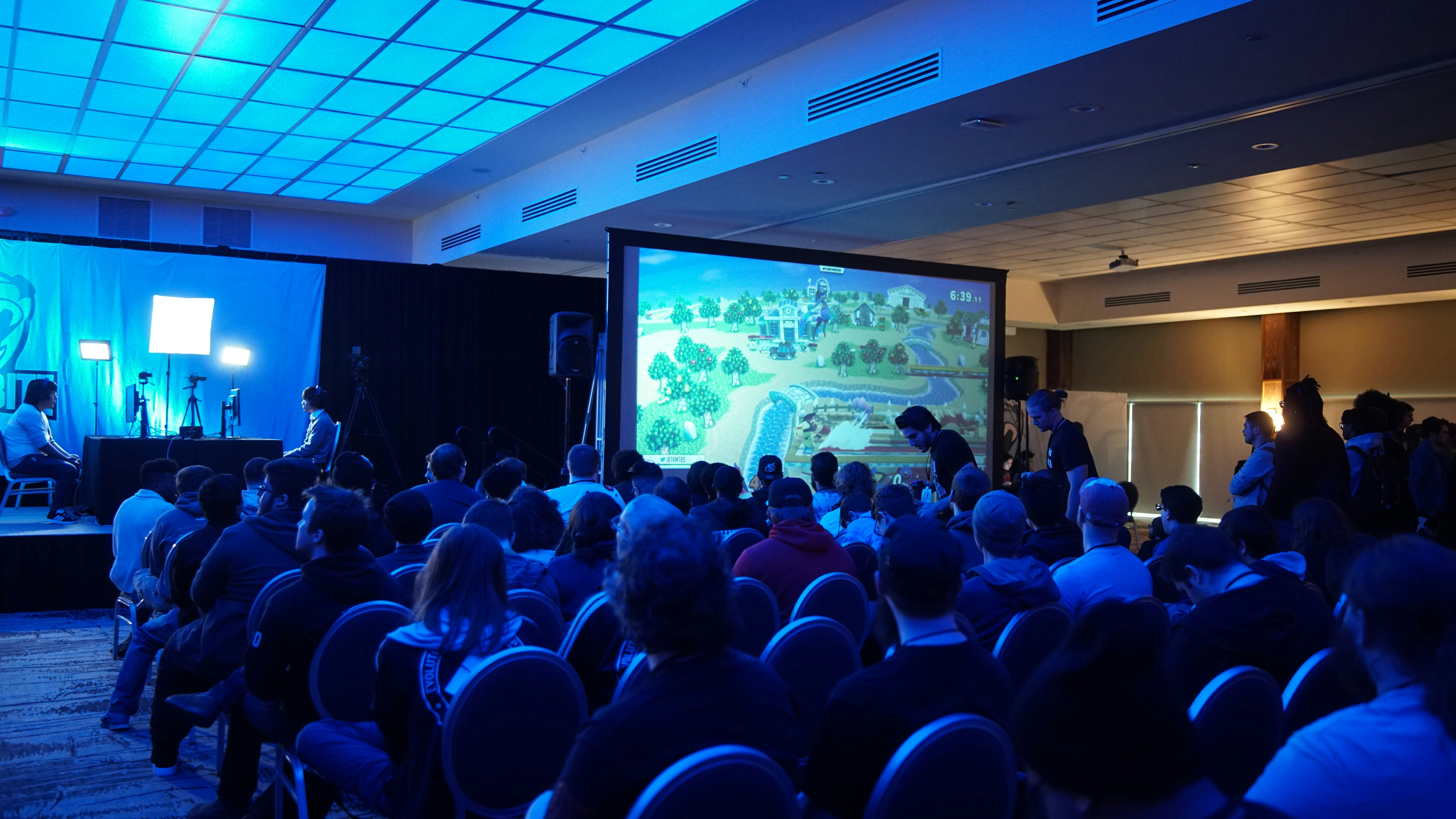
For many founders, trade show success is measured in the moment.
It shows up in how busy the booth feels, how many people stop by, and how many badges get scanned. Those signals are visible,easy to track, and easy to mistake for progress while the event is happening.
The picture becomes less clear once the event ends.
Teams that consistently generate pipeline from conferences tend to evaluate success differently. Activity matters, but the stronger signal comes from what happens after the initial interaction—whether the conversation continues, who becomes involved, and how momentum develops over time.
In practice, a successful trade show rarely looks dramatic in real time. It often comes down to a handful of strong conversations, a few well-defined next steps, and momentum that carries beyond the event itself.
Why Trade Show Success Is Easy to Misread
Conferences are designed to feel busy, with crowded expo floors, back-to-back sessions, and constant movement between booths. That environment naturally rewards visibility and activity, which can make it easy to assume that more traffic leads to better results.
But the relationship between activity and impact is far less direct. A booth that attracts steady traffic can still produce limited pipeline when conversations stay at the surface level, while a quieter booth can generate meaningful opportunities when discussions are focused, relevant, and tied to clear next steps.
This dynamic is one reason events often feel unpredictable to early-stage teams. The signals that stand out during the conference don’t always reflect what ultimately drives results afterward.
What Strong Event Outcomes Actually Look Like
When events perform well, the outcomes tend to show up in a few consistent ways.
1. A small number of high-quality conversations
The most valuable discussions often involve people who are close to the problem your company solves. These conversations move beyond introductions and begin to explore real priorities, constraints, and buying timelines.
2. Clear next steps coming out of those conversations
Strong event teams rarely leave conversations open-ended. They align on what should happen next, whether that’s a follow-up meeting, a product walkthrough, or a deeper discussion with additional stakeholders.
3. Momentum that continues after the conference
The event creates the starting point. The real impact appears in the days and weeks that follow as conversations continue, relationships deepen, and opportunities develop.
4. Insight into how the market is thinking
Events compress dozens of conversations into a short window. Patterns emerge quickly around customer challenges, language, and priorities. Those insights often influence messaging, product direction, and future campaigns.
When these outcomes are present, the event is working—even if the booth never felt overwhelmingly busy.
Where Most Startups Focus Instead
Early-stage teams often focus on what’s most visible: booth design, swag, foot traffic, and badge scans. Each of these elements plays a role. A well-designed booth helps attract attention, and a steady flow of visitors creates opportunities for conversation.
The impact of an event, however, comes from what happens next. Those visible elements are inputs, and their value depends on how effectively they lead to meaningful discussions and what unfolds after those conversations begin.
If you want to see how these pieces connect across the full event lifecycle, our guide to trade show planning for B2B teams breaks down how outreach, conversations, and follow-up work together as one system.
Why Event Momentum Breaks Down
One of the most common challenges with trade shows isn’t the event itself—it’s maintaining momentum once conversations begin.
A strong discussion at the booth can quickly lose traction when there’s no clear follow-up, no shared context, or no structured continuation of the original conversation. What started as a promising interaction becomes just another name in the CRM.
High-performing teams approach this differently.
They make it easy for conversations to continue. Notes are captured while context is fresh. Follow-up references what was actually discussed. Content and outreach reinforce the same message attendees encountered during the event.
As a result, conversations don’t have to restart after the conference—they simply continue.
If you want to see how strong teams create that early momentum before the event even begins, our article on why the best event conversations start before the conference explores how outreach and context shape what happens on the show floor.
How a Cloud Infrastructure Startup Improved Event ROI at AWS re:Invent
At AWS re:Invent, a cloud infrastructure startup focused on application performance and cost optimization invested heavily in their booth and saw steady traffic throughout the conference.
The booth stayed busy. Conversations were happening. From the outside, it looked like a successful event.
But most discussions remained high level. After the event, follow-up lacked context, and momentum faded quickly. A familiar pattern emerged: strong activity during the event, with limited pipeline to show for it afterward.
For their next major conference, the team adjusted their approach.
Outreach started 12 weeks in advance, with a clear focus on a specific audience segment. As the event approached, the effort shifted more heavily toward meeting coordination. During the final three weeks, the majority of the team’s time went toward booking and preparing for conversations in advance.
By the time the event began, the team had:
- 15 “meet the founder” conversations scheduled
- 5 technical demos connecting champions with IT stakeholders and their product lead
- 8 follow-up meetings lined up with prospects who weren’t attending the event
On-site, the experience felt more focused and intentional. Messaging was simplified so visitors could quickly understand how the platform monitors performance signals like latency and error rates—and takes action before issues impact end users, often reducing infrastructure costs as a result.
Conversations followed a consistent structure, and each strong discussion ended with a clear next step. Follow-up picked up where those conversations left off, with context already in place.
From the outside, very little had changed.
The booth was slightly less crowded. The activity looked more controlled.
What changed was the quality of the conversations and what happened after them.
That shift led to a measurable impact: pipeline influenced by the event increased by about 30%, with a higher percentage of conversations converting into follow-up meetings.
How to Evaluate Your Next Event
A simple shift in how success is measured can change how events are planned and executed.
Instead of asking “How busy was the booth?”, try asking questions like:
- Did we speak with the right people?
- Did conversations move beyond introductions?
- Did we define clear next steps?
- Are those conversations continuing after the event?
These questions align more closely with how pipeline is actually created.
Turning Event Activity Into Real Growth
A useful way to think about event success is the difference between activity and impact.
Activity happens on the show floor. Impact shows up afterward through the conversations that continue, the relationships that develop, and the pipeline that moves forward.
Strong event strategies connect those two. Conversations don’t end when the event does. They carry forward with context, supported by follow-up that reflects what was actually discussed.
Over time, that consistency starts to compound. Each event builds on the last, making it easier to create momentum, learn what works, and improve how the team shows engages the market.
If your team is investing in events and looking for a more structured way to turn that activity into pipeline, we can help.
At Miracle Max, we work with founders and lean teams to design event strategies that connect pre-event outreach, on-site conversations, and post-event follow-up into a coordinated system built to drive measurable outcomes.
Book a strategy session to map out your next event and see how it can contribute to pipeline.
