
How to Prioritize Events (and Decide What’s Worth Your Time)

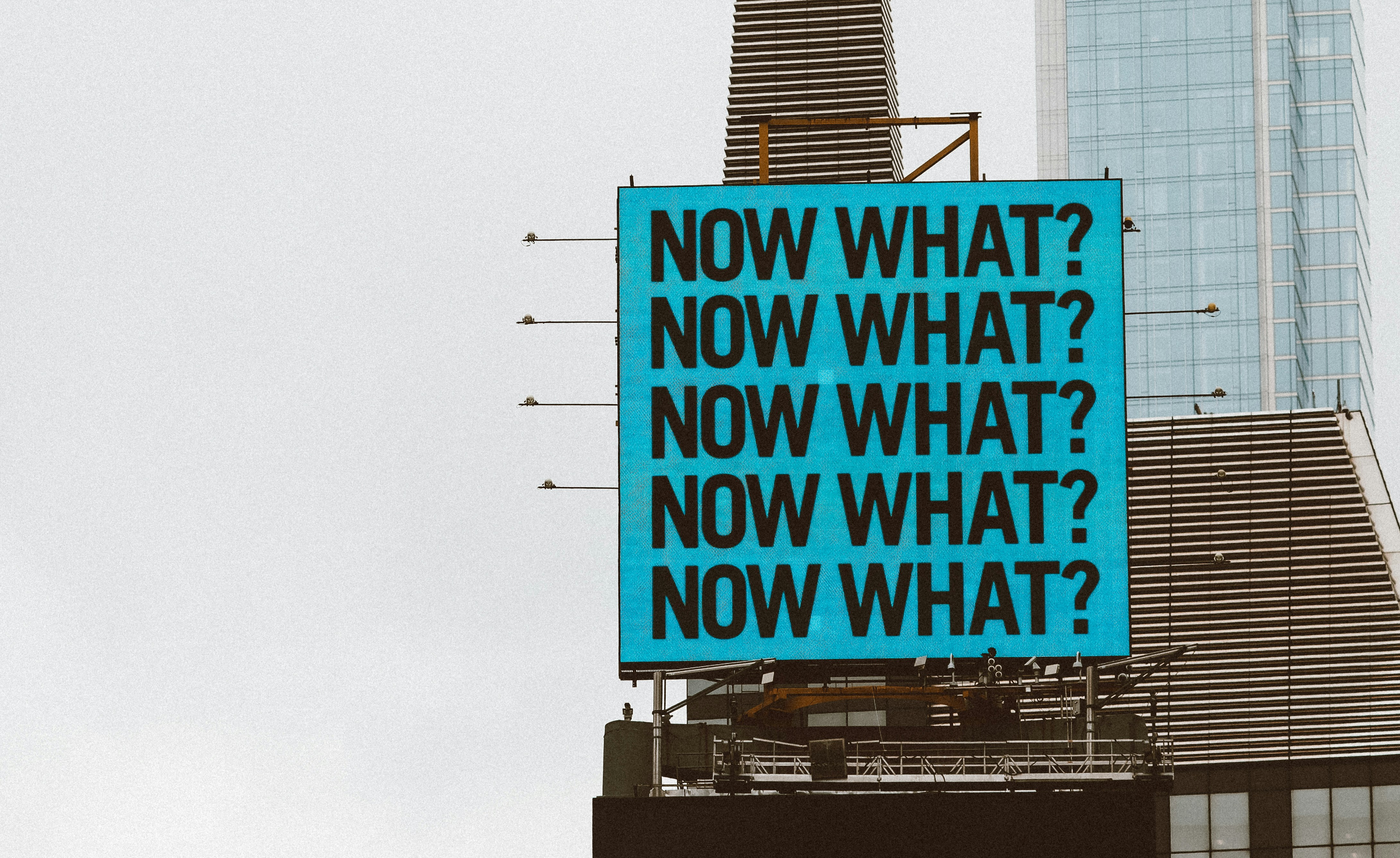
Once events become part of your go-to-market strategy, a new set of decisions appears quickly.
How many events can we realistically support?
Which ones deserve the most attention?
Where should we invest more—and where should we step back?
Most teams don’t struggle with finding events. They struggle with deciding which opportunities matter most.
Industry calendars are crowded. New opportunities emerge throughout the year. Internal stakeholders bring different perspectives about what deserves attention.
Without a clear prioritization framework, event planning becomes reactive. Teams say yes more often than they should, spread their resources across too many events, and end up with inconsistent results.
A more intentional approach creates clarity and gives teams a shared way for making better decisions.
Start With Event Roles, Not Event Names
Before evaluating specific conferences or sponsorship opportunities, it helps to define what role each event should play.
Some events introduce your company to new audiences and help develop relationships with active prospects. Others create an environment where multiple stakeholders can engage in the same conversation.
When these roles are clearly defined, event selection becomes far more intentional.
Instead of reacting to opportunities as they come in, teams can evaluate each event based on how effectively it supports a specific business objective. That shift makes it easier to focus time and budget where they will have the greatest impact.
Over time, this creates a more consistent and manageable event strategy.
A Practical Framework for Prioritizing Events
Once roles are defined, events can be evaluated using a consistent set of criteria. This creates a shared lens for decision-making across marketing, sales, and leadership.
1. Audience Fit
How closely does the event align with your target buyers?
Strong audience fit includes:
- presence of your core personas
- relevance of the event’s themes
- alignment with your ideal customer profile
Events that attract the right audience tend to generate more productive conversations and stronger follow-up.
2. Conversation Potential
Does the event create space for meaningful interaction?
Some events generate high activity but limited depth. Others create an environment where conversations can develop more naturally and involve the right stakeholders.
Consider:
- the format and setting
- the ability to schedule meetings in advance
- how much time you can realistically spend with attendees
Events that support thoughtful conversations typically produce stronger long-term outcomes.
3. Follow-Through Opportunities
Is there a clear way to continue conversations after the event?
Events perform best when they function as part of a broader sequence rather than a single interaction.
Look for:
- opportunities to schedule follow-up sessions
- ways to reconnect in smaller settings
- alignment with upcoming campaigns or content initiatives
Clear next steps make it easier for momentum to continue after the event.
4. Internal Capacity
Can your team support this event effectively?
This includes:
- time for preparation and outreach
- adequate staffing during the event
- ability to follow up quickly afterward
Events that align with your team’s capacity are easier to execute successfully.
5. Strategic Timing
How does the event fit into your broader go-to-market calendar?
Strong events align with:
- product launches
- campaign timing
- sales priorities
Timing can influence both attendance and the relevance of conversations.
Looking at events through these criteria creates a more balanced view. Instead of relying on instinct alone, teams can evaluate how each event supports broader business goals and contributes to the overall strategy.
Related: how to budget for trade shows and events
Adding a Simple Scoring Layer
For teams that want additional structure, this framework can easily be turned into a simple scoring model.
Each event can be evaluated across the five criteria using a consistent scale,creating a side-by-side comparison that helps simplify prioritization decisions.
The goal isn’t precision. It’s alignment.
A lightweight scoring system helps teams:
- compare events more objectively
- identify trade-offs
- align across stakeholders
Over time, this makes event planning faster and more repeatable.
How to Decide What Not to Prioritize
A focused event strategy is shaped by both selection and discipline.
As teams apply a prioritization framework, certain patterns become easier to recognize. Some events consistently create meaningful opportunities, while others demand more time, budget, and effort than they return.
Creating space in the calendar allows the team to:
- invest more fully in priority events
- prepare more effectively
- follow up with greater consistency
That focus often leads to stronger execution, better conversations, and more reliable outcomes.
Related: how to measure trade show ROI and event performance
A Quick Example of Event Prioritization in Practice
One B2B SaaS company we worked with was attending more than ten events per year across different regions and teams.
The calendar looked full. The results varied.
After reviewing their approach, we narrowed their focus to:
- three anchor events aligned with their core audience
- a smaller set of targeted field events
- a structured follow-up plan tied to each event
This shift created more space for preparation,coordination, and consistent execution.
The team aligned messaging across events, spent more time with the right prospects, and followed up more consistently.
Within two quarters, they saw improved meeting quality and a much clearer connection between event activity and pipeline development.
How Prioritization Improves Event ROI
When events are prioritized intentionally, several improvements begin to compound over time.
Preparation becomes more focused.
Conversations become more relevant.
Follow-up becomes easier to manage.
Together, these changes create a more consistent experience across the entire event program.
They also make it easier to evaluate performance, identify what’s working, and refine the strategy over time.
Event ROI becomes much clearer when each event serves a defined purpose and the team has the capacity to execute effectively.
The Role of Event Prioritization in Demand Generation
Event prioritization is more effective when it’s aligned with your broader demand generation strategy.
Campaigns can support outreach leading into priority events.
Content can reinforce themes that come up in conversations.
Sales teams can focus on the same target accounts across multiple touchpoints.
This alignment creates continuity across channels and throughout the buyer journey.
Over time, events become part of a coordinated system for engaging the market, strengthening relationships, and building potential revenue.
Building a Repeatable Event Prioritization Process
A simple process makes event prioritization much easier to sustain over time.
Most teams benefit from:
- reviewing event performance regularly
- reassessing event roles based on evolving priorities
- adjusting the calendar based on capacity and results
Over time, this creates greater consistency across the program.
Event planning becomes easier to manage, and decisions become more predictable.
FAQ: Event Prioritization for B2B Teams
How do you prioritize events effectively?
Start by defining the role each event should play and evaluate it based on audience fit, conversation potential, and alignment with your goals.
How many events should a startup attend?
Most early-stage teams benefit from focusing on a small number of well-supported events rather than trying to attend everything.
What makes an event worth prioritizing?
Events that create meaningful conversations and have a clear path for follow-up tend to produce stronger outcomes.
Should you attend the same events every year?
Consistency can help build familiarity, but events should be reassessed regularly based on performance and relevance.
